
Break open the Word on Sunday, without losing Saturday.
Ordinary Time turns Claude, ChatGPT, Gemini or Grok into a preparation assistant for Catholic priests and deacons. Find the readings' cycle and the Sunday's place in the year, build a homily around one point from the Gospel and the first reading, plan sacramental preparation, and write the bulletin. It stays with the Catechism and the GIRM and sends canonical questions to your diocese.
Get Ordinary Time Priest Desk for $5 Find the Sunday
$5 once · card, Apple Pay or Google Pay · download in a minute
Into more than one hobby? Get all 70 hobby skills for $19, this one included.
- One-time $5
- Instant email delivery
- 14-day refund
- Works in Claude, ChatGPT, Gemini and Grok
Homily plan: 1st Sunday of Advent, Year B
Sun, Nov 29, 2026 · Mark 13:33 to 37 · Isaiah 63 and 64 · 8 minutes
Lectionary Year B beginsCatechism referencesBulletin note included
- PointStay awake: watchfulness is a form of loveOne point, from the GospelFocus
- LinkIsaiah: "we are the clay, you the potter" (Isaiah 64:7)The first reading sets up the longingReading
- TeachCCC 524: the Church makes present the ancient expectancyAdvent's double waitingCatechism
- LifeA night nurse's watch as the imageOne story, told brieflyImage
- SendOne habit for Advent: five quiet minutes each morningConcrete, small, repeatableMission
The preaching and paperwork of a parish week
One skill, six jobs. Claude, ChatGPT, Gemini or Grok picks the right one from what you ask.
Sunday and weekday homilies
One clear point from the Gospel and the first reading, a short teaching from the Catechism, an image and a concrete sending, timed for the Mass.
The liturgical year
Lectionary cycles A, B and C and weekday I and II, seasons, solemnities, feasts and colors, with the US calendar's moved days.
The readings in context
How the readings connect, the psalm's role, the Fathers and saints who preached them, and Catechism paragraphs to check.
Sacramental preparation
Outlines for baptism, first Communion, first reconciliation, confirmation and marriage preparation sessions.
Bulletin and parish writing
Bulletin columns, Mass schedule notes, holy day reminders, letters to families and stewardship appeals.
Funerals and weddings
Help choosing readings with families, homily outlines and planning sheets for the parish office.
Ask it the way you'd ask a classmate from seminary
It knows the Lectionary and the calendar, and keeps to the Church's teaching.
No: Advent 2026 begins Year B
Year A (Matthew) began on the First Sunday of Advent 2025. On November 29, 2026 the Church begins Year B, with the Gospel of Mark through the year and John 6 on several summer Sundays. The weekday readings in Ordinary Time in 2027 use Cycle I.
A quick check
Take the year in which the liturgical year ends (2027 here) and divide by 3. A remainder of 1 is Year A, 2 is Year B and 0 is Year C. 2027 leaves 2, so Year B.
Coming up
- Nov 22: Christ the King, the last Sunday of Year A
- Dec 8 is a Tuesday this year: the Immaculate Conception is a holy day of obligation in the US
Example answer from the full skill. Your answers depend on what you ask.
Faithful, and honest about its limits
Preaching flows from prayer with the Word. Ordinary Time helps with the study and the logistics around it.
- With the Catechism and the GIRMIt keeps to the Church's teaching and liturgical law, and cites paragraphs for you to check.
- Canon law to the dioceseMarriage cases, sacramental eligibility and other canonical questions go to the chancery or tribunal.
- Your Ordo winsNational, diocesan and patronal feasts can change a day. It works from the US calendar and tells you to check the Ordo.
- Your voice, your peopleIt drafts outlines and options, not finished homilies to read. You know your parish.
Up and running in two minutes
No app to learn and nothing to install on your computer. It lives inside Claude, ChatGPT, Gemini or Grok.
Buy once
Pay $5 by card, Apple Pay or Google Pay. Your download link arrives by email in about a minute.
Add it to Claude, ChatGPT, Gemini or Grok
Upload the ZIP under Skills in Claude, or the unzipped folder in Gemini. It takes about 30 seconds. In Grok, upload the ZIP, or paste the included paste-in file into a new skill. In ChatGPT, add the included paste-in file to a Project.
Just ask
"Outline an 8-minute homily for this Sunday." "Which year of the Lectionary is next Advent?" "Plan four baptism prep sessions for parents."
Pick your app for the exact clicks
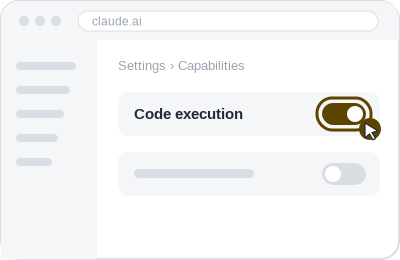
1In Settings, then Capabilities, turn on code execution.
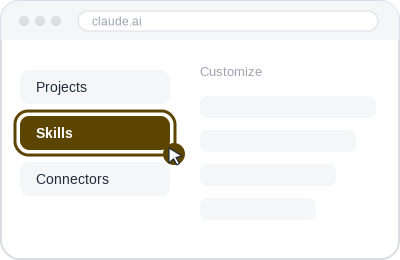
2Open Customize, then Skills.
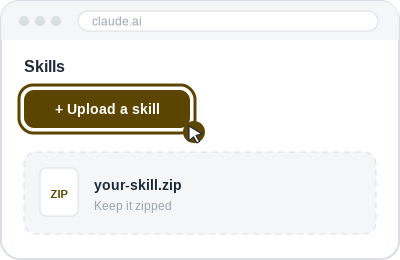
3Click +, choose Upload a skill, pick the ZIP. Keep it zipped.
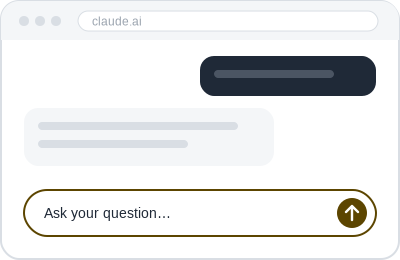
4Start a new chat and ask. Claude picks up the skill.
Works on every Claude plan, including the free one. Free plans have lower usage limits.
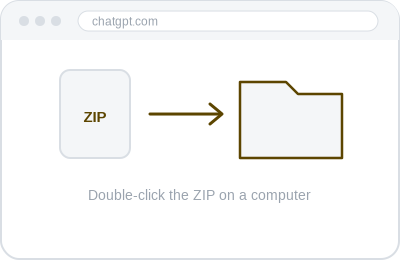
1On a computer, unzip the download and find ANY-AI-PASTE-VERSION.txt.
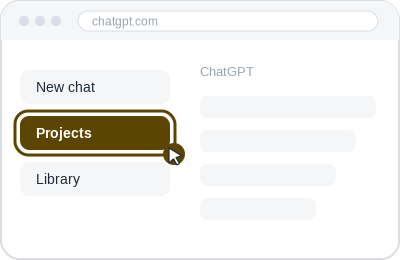
2In ChatGPT, open Projects and make a new project.
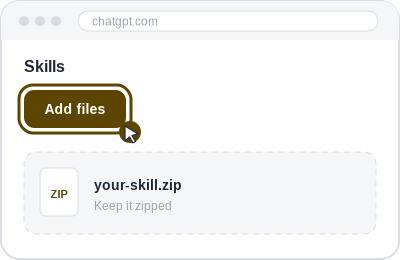
3Add the .txt file to the project. In its instructions, type: Follow the attached file.
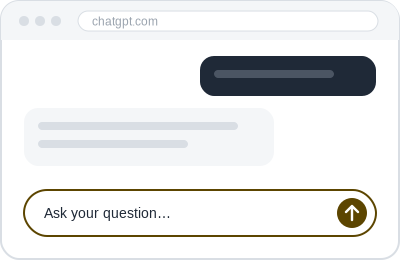
4Start a chat in that project and ask. On a Business, Enterprise or Edu plan, you can upload the ZIP under Skills instead.
Personal ChatGPT plans (Free, Plus, Pro) don't have a Skills page yet, so you use the paste-in version in a Project. On a Business, Enterprise or Edu plan, go to chatgpt.com/skills, choose Add, then Upload from your computer.
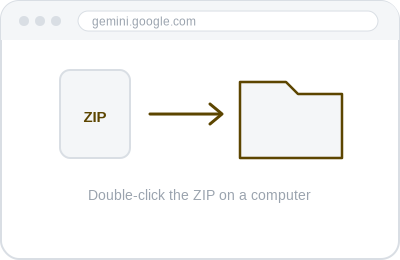
1On a computer, unzip the download. You get a folder.
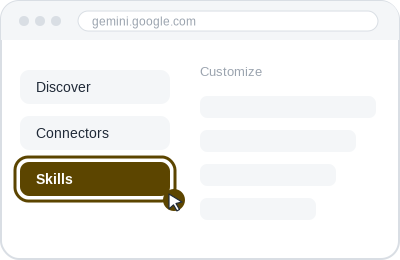
2At gemini.google.com, open Customize, then Skills.
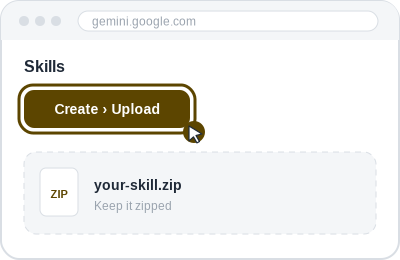
3Choose Create, then Upload, then folder. Pick the unzipped folder.
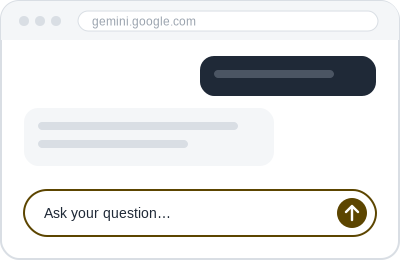
4Start a new chat and ask.
Gemini takes the unzipped folder, not the ZIP. Menus in Gemini change often, so names may differ slightly.
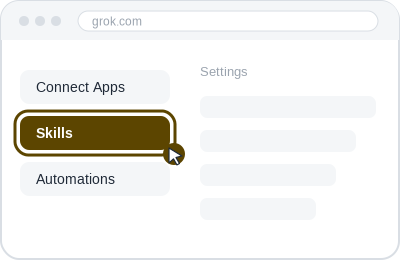
1At grok.com, open Settings, then Skills.
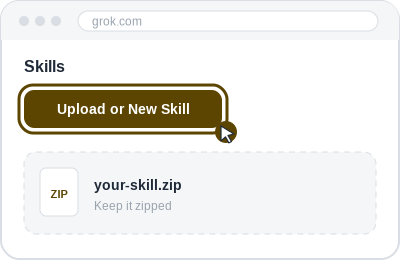
2If you see Upload, pick the ZIP. If you only see New Skill, use the next step.
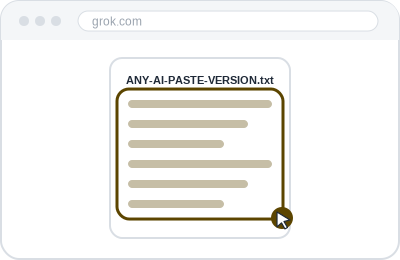
3New Skill: name it, then paste the text of ANY-AI-PASTE-VERSION.txt (below the line of equals signs) into Instructions.
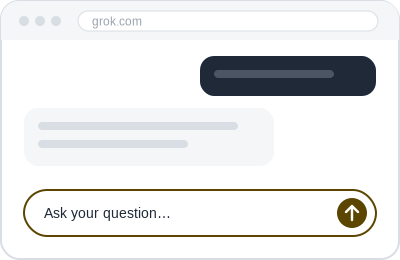
4Save it, start a new chat and ask.
Some Grok plans upload the ZIP; others show a New Skill form, where you paste the skill text in. Menus in Grok change often, so names may differ slightly.
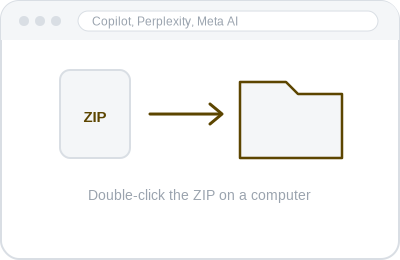
1No Skills page? Unzip the download on a computer.
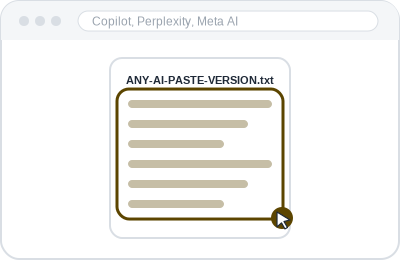
2Open ANY-AI-PASTE-VERSION.txt and copy everything.
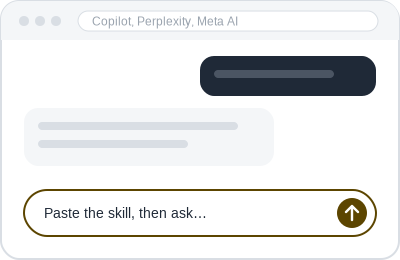
3Paste it into a new chat, then ask your question.
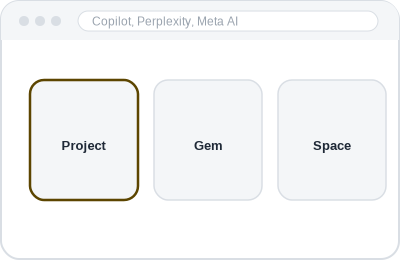
4To keep it on, add it to a ChatGPT Project, Gemini Gem or Perplexity Space.
Using Claude Code, Codex, Cursor or another coding agent? Unzip it into the skills folder, for example unzip ordinary-time-priest-desk.zip -d ~/.claude/skills/
On your phone? Go ahead and buy: the download link goes to your email and works for a year. Adding a skill is easiest from a computer, in a web browser or the desktop app, so open that email there when you're ready. Want to try it on your phone today? Open the ZIP, copy ANY-AI-PASTE-VERSION.txt into any chat app, and ask.
Start with the free Homily Outline
A small skill that finds the Sunday and its cycle, then builds a one-page homily outline: one point, the readings' link, an image and a sending.
- The Sunday, its cycle and its color
- One point from the Gospel and first reading
- An image and a concrete sending
Get Ordinary Time Priest Desk
Pay once, use it whenever you need it. Includes the free Homily Outline too.
How to add it
Upload the ZIP under Skills in Claude, or the unzipped folder in Gemini (in Grok, upload the ZIP or paste the paste-in file into a new skill; in ChatGPT, add it to a Project), then start a new chat and try: "Help me outline an 8-minute homily for the First Sunday of Advent, Year B."
See the clicks for your app. Every download also comes with a paste-in version for any other chat, and a Start Here PDF.
Step-by-step guides with pictures: Claude · ChatGPT · Gemini · Grok
Ordinary Time Priest Desk
Homilies, the liturgical year, sacramental preparation and parish writing.
$5 one time
- Sunday, weekday and feast day homily outlines
- Lectionary cycles, seasons and the US calendar
- Readings in context with Catechism references
- Baptism, first Communion, confirmation and marriage prep outlines
- Funeral and wedding planning help
- Bulletin columns and parish letters
- Updates for a year
Card, Apple Pay or Google Pay through Stripe. Taxes calculated at checkout. 14-day refund.
Giving it as a gift? Buy it, forward the email, and print a gift card.
See a real answer from the full skill
You ask: Is Advent 2026 Year A? I thought we were starting Matthew again.
No: Advent 2026 begins Year B
Year A (Matthew) began on the First Sunday of Advent 2025. On November 29, 2026 the Church begins Year B, with the Gospel of Mark through the year and John 6 on several summer Sundays. The weekday readings in Ordinary Time in 2027 use Cycle I.
A quick check
Take the year in which the liturgical year ends (2027 here) and divide by 3. A remainder of 1 is Year A, 2 is Year B and 0 is Year C. 2027 leaves 2, so Year B.
Coming up
- Nov 22: Christ the King, the last Sunday of Year A
- Dec 8 is a Tuesday this year: the Immaculate Conception is a holy day of obligation in the US
Into more than one hobby? The Skill Pass gets you all 70 hobby skills, this one included, for $19.
New to AI skills?
Ordinary Time is a skill: a set of expert instructions you add to your own Claude, ChatGPT, Gemini or Grok account, so it answers like a homily preparation assistant who knows the craft.
- Using Gemini? Unzip it and upload the folder on its Skills page. Using Grok? Under Settings, Skills, upload the ZIP or paste the paste-in file into a new skill. Using ChatGPT? Add the included paste-in file to a Project.
- New to all of them? Claude is an AI assistant made by Anthropic. Make an account at claude.ai: skills work on every Claude plan, including the free one, with code execution turned on in Settings, Capabilities.
- Try the free Homily Outline skill first. If you like it, the full skill is one purchase.
Not ready for an AI app? The free lectionary year and Sunday finder on this site works in any browser, no account needed.
Free homily tools
No sign-up, they run in your browser.
Made by Nic Hubert, What If Labs
I run What If Labs from British Columbia, Canada. I build each skill with AI help and test it on real questions, and a separate reviewer checks it before it goes on sale. If it doesn't do what this page says, email me at hello@whatiflabs.ai and I'll fix it or refund you.
No reviews yet: this store is new. Tell me how it went and I'll use it to make the skill better.
Questions
Is it for priests only?
It's for priests and deacons first, and also helps pastoral associates, liturgy coordinators and catechists with planning and writing. Tell it your role.
Does it follow the US calendar?
Yes, by default: Epiphany and, in most dioceses, the Ascension on Sunday, and the US holy days of obligation. Tell it if you're in another country and it works from your national calendar, with a reminder to check your Ordo.
Will it write the whole homily?
It can draft one, but it works best as an outline and study partner. The homily should come from your own prayer with the readings and your knowledge of the parish.
Can it answer canon law questions?
It can explain general norms and point to the relevant canons, but particular cases (marriage, annulments, sacramental eligibility) go to your diocese's chancery or tribunal.
What do I need to use it?
A Claude, ChatGPT, Gemini or Grok account. In Claude it works on any plan, including the free one, with code execution turned on (Settings, Capabilities). Free accounts have lower usage limits, so long planning sessions go further on a paid plan. It works in Claude on the web, the desktop app and Claude Code. In Gemini and Grok, upload it on the Skills page. In ChatGPT, personal plans (Free, Plus, Pro) don't have Skills yet, so you add the included paste-in file to a ChatGPT Project; Business, Enterprise and Edu plans can upload the ZIP under Skills. Coding agents that read SKILL.md files work too. Using Copilot, Perplexity, Meta AI or another chat with no Skills page? Every download includes a paste-in version (ANY-AI-PASTE-VERSION.txt) that works in any AI chat.
What if it doesn't work for me?
Email hello@whatiflabs.ai within 14 days of buying and we'll refund you in full. No forms, no questions.
How is this different from just asking an AI?
A general AI answer is often vague or skips steps. The skill gives your AI an expert's method: what to ask you first, the checklists and calculations to run, and the mistakes to warn you about. You get consistent, specific answers instead of a different guess each time.
Do I pay every month?
No. It's a one-time price, and updates to the skill are free.
Can I get a refund?
Yes. Every purchase comes with a 14-day refund, no questions asked. Reply to your receipt email and we'll take care of it.
What if it gets something wrong?
It shows its working, so you can check numbers and dates. Tell it what's off and it will correct itself. For anything where a mistake costs money or safety, double-check before you act, as you would with any advice.
Is my information private?
The skill runs inside your own Claude, ChatGPT, Gemini or Grok account, and we never see your chats. When you buy, Stripe handles the payment and we keep your email and order so we can send the download. The terms and privacy page has the details.